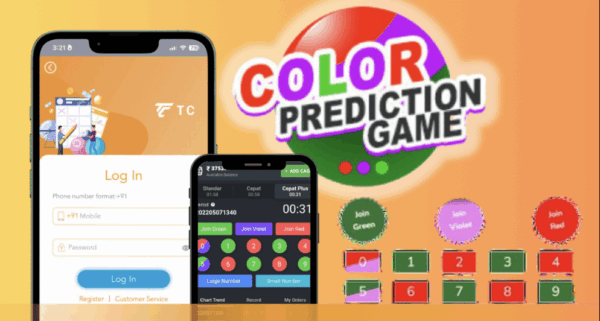
Online color prediction games have grown rapidly in popularity, offering players simple mechanics and the thrill of chance-based outcomes. Their accessibility through mobile devices and digital platforms has made them appealing to a wide audience, but with growth comes responsibility. Trust is the cornerstone of any gaming ecosystem, and without it, platforms risk losing their players to competitors or facing regulatory scrutiny. Building long-term trust in online color prediction games requires a multi-faceted approach that addresses fairness, transparency, security, and player well-being.
The Importance of Fairness
Fairness is the foundation upon which trust is built in any game of chance. Players must believe that outcomes are genuinely random and not manipulated to favor the platform. If fairness is compromised, even slightly, players will quickly lose confidence. Platforms must therefore invest in reliable random number generators, conduct independent audits, and make results verifiable. By demonstrating that every outcome is unbiased, platforms reassure players that they are participating in a legitimate form of entertainment rather than being exploited. Long-term trust depends on this perception of fairness being consistently upheld.
Transparency in Operations
Transparency is another critical element in building trust. Players need clear information about how the games function, including rules, payout structures, and the mechanics behind algorithms. Hidden terms or ambiguous conditions can lead to disputes and erode confidence. Platforms that openly communicate their processes and policies foster a sense of accountability. Transparency also extends to financial transactions, where deposits, withdrawals, and winnings must be processed with clarity and accuracy. When players can track their interactions without confusion, they are more likely to remain loyal to the platform.
Security and Data Protection
In the digital age, security is inseparable from trust. Online color prediction games often involve monetary stakes, making them attractive targets for fraud or cyberattacks. Protecting player data and financial information is therefore essential. Platforms like gaming app login must implement encryption protocols, secure payment gateways, and compliance with data protection regulations. Players who feel confident that their personal and financial details are safe are more likely to continue engaging with the platform. Security breaches, on the other hand, can cause irreparable damage to trust and reputation.
Promoting Responsible Gaming
Trust is not only about fairness and security but also about protecting players from potential harm. Color prediction games, like other chance-based entertainment, carry the risk of compulsive behavior and financial loss. Platforms that prioritize responsible gaming demonstrate a commitment to player well-being. Features such as spending limits, self-exclusion options, and awareness campaigns help players manage their participation. By promoting healthy gaming habits, platforms show that they value their users beyond immediate profits. This ethical stance strengthens trust and ensures sustainability in the long run.
Effective Customer Support
Customer support plays a vital role in maintaining trust. Players inevitably encounter issues, whether related to technical glitches, financial transactions, or disputes over outcomes. A responsive and reliable help center reassures players that their concerns will be addressed fairly and promptly. Metrics such as resolution rates and response times reflect the reliability of support services. Platforms that invest in effective customer support demonstrate respect for their players, reinforcing the bond of trust that keeps users engaged.
Consistency and Reliability
Trust is not built overnight; it is earned through consistent performance over time. Platforms must deliver reliable experiences, ensuring that games run smoothly, transactions are processed accurately, and support is available when needed. Consistency in these areas signals to players that the platform is dependable. Even minor disruptions, if frequent, can undermine confidence. Long-term trust requires platforms to maintain high standards of reliability across all aspects of their operations.
Conclusion
Building long-term trust in online color prediction games is a complex but essential task. It requires platforms to uphold fairness, embrace transparency, safeguard security, promote responsible gaming, and provide effective customer support. Trust is not a one-time achievement but an ongoing commitment that must be reinforced through consistent reliability and ethical practices. As the industry continues to expand, platforms that prioritize trust will not only retain their players but also position themselves as leaders in a competitive market. Ultimately, trust is the currency that sustains the ecosystem of online color prediction games, ensuring that they remain a source of entertainment rather than controversy.