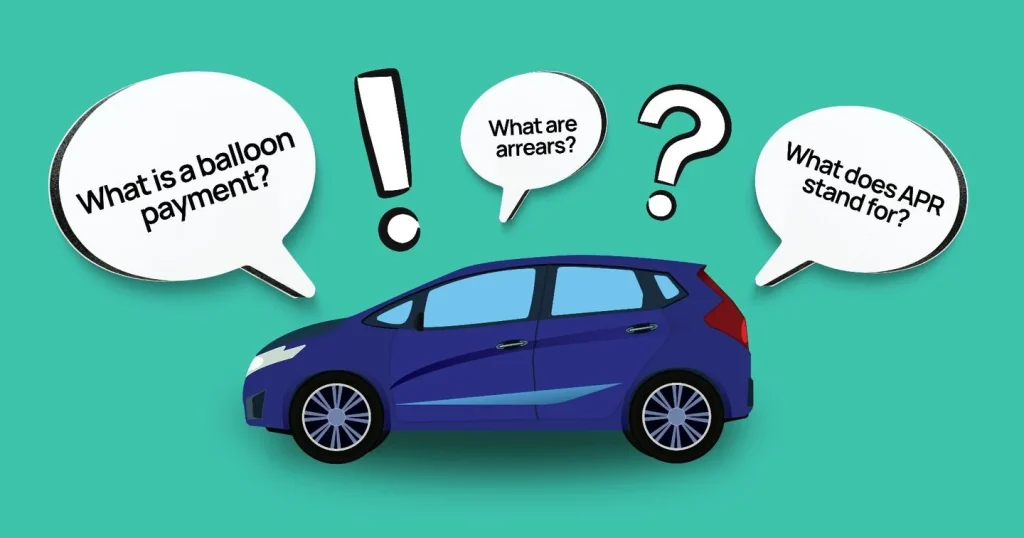
Car finance can feel like a different language. You might understand the basics. You want a reliable car, a manageable monthly payment, and an agreement that fits your life. But then the paperwork arrives and suddenly you are faced with terms that sound familiar, yet still feel unclear.
If you have ever nodded along and thought, “I’ll work that out later,” you are not alone. Most drivers are not finance experts. They are busy people trying to make a sensible decision.
This glossary is here to make things easier. It explains the most common car finance terms in plain English, so you can sign with confidence and avoid surprises later.
Why understanding the wording matters
A car finance agreement is a contract. That means the wording is important. Even small phrases can affect what you owe, what options you have, and what happens if your circumstances change.
You do not need to memorise every term. You just need to understand the ones that shape the agreement.
If anything feels unclear, pause and ask questions. A good agreement should stand up to simple explanations.
Car finance glossary. The terms drivers should know
Below are the key words and phrases you are most likely to see when reviewing a car finance agreement.
Agreement term
This is the length of time you are committed to the finance agreement. It affects how long you will make payments and how the deal is structured.
Deposit
This is the amount you pay upfront. A deposit can reduce what you borrow, but it should still fit comfortably within your budget.
Monthly payment
This is the regular payment you make throughout the agreement. It is important, but it is not the only cost that matters.
Interest
This is the cost of borrowing money. Interest is added on top of what you borrow and affects the overall cost of the agreement.
Fixed rate
A fixed rate means the interest rate stays the same during the agreement. This can make budgeting easier because the cost does not change unexpectedly.
Variable rate
A variable rate means the interest rate can change. That can affect how much you pay over time.
Total amount payable
This is the full amount you will pay across the agreement, including interest and any fees. It is one of the most important figures to check because it shows the real cost of the deal.
Balloon payment
This is a larger payment due at the end of certain agreements. Some drivers expect the agreement to finish naturally, then feel shocked when they see this final figure. Always check whether a balloon payment applies.
Optional final payment
This is another way of describing a final payment that may be due at the end, depending on what you choose to do next. It often applies when you have the option to keep the car.
Early settlement
This means paying off the agreement before the end date. Some agreements allow it easily. Others include conditions or extra costs. It is worth checking even if you do not plan to settle early.
Early termination
This refers to ending the agreement before it finishes. The rules for this can vary, and it is often where confusion starts. Always check what you would owe if you needed to end early.
Voluntary termination
This is a legal right that may allow you to end a finance agreement early in certain situations. It comes with rules, and it does not apply in the same way to every agreement. If you see this term, it is worth reading carefully.
Credit agreement
This is the legal document you sign when you take out finance. It outlines the terms, your responsibilities, and what the lender can do if payments are missed.
Lender
The lender is the finance provider behind the agreement. Even if you sign paperwork somewhere else, the lender is usually the company providing the credit.
Broker
A broker is a party that helps arrange the finance agreement. They may present options and help match you with a deal.
Commission
Commission is money paid to someone for arranging a finance deal. It may not always be obvious to drivers, which is why transparency matters.
This is one reason some people later start researching mis sold car finance and PCP claims, especially if they feel key details were not properly explained.
Add-ons
Add-ons are extra products or services included alongside the finance agreement. Some drivers want them. Others do not realise they have been included.
Common add-ons can relate to protection, cover, or servicing. The important part is understanding whether they are optional and what they actually do.
Mileage limit
This is a limit on how many miles you can drive during the agreement. If you go over it, you may face charges. It matters more than many drivers expect, especially when routines change.
Fair wear and tear
This refers to what is considered acceptable condition for the vehicle at the end of the agreement. If the car is returned with damage outside of what is considered fair, you may be charged.
Default
Default means you have broken the agreement terms, usually by missing payments. It can lead to serious consequences, so it is worth understanding what triggers it.
A simple checklist before you sign
Glossaries are helpful, but real confidence comes from asking the right questions. Before you sign, it helps to check:
- What happens at the end of the agreement
- Whether there is a final payment due
- What you would owe if you needed to end early
- Whether any add-ons are included, and whether they are optional
- Whether mileage limits match your real driving habits
If you cannot explain the agreement back to yourself in simple terms, pause. Ask for clarity.
A quick note on PCP claims
Some drivers only start digging into these terms after the agreement is already underway. That usually happens when something feels unexpected, unclear, or unfair.
For context, mis sold car finance claims are valid for agreements signed between 2007 and 2024. That is why drivers sometimes revisit older agreements and question whether the terms were properly explained.
This is also why understanding the language matters from the start. It helps you avoid confusion, and it helps you keep good records in case you ever need them.
Final thoughts
Car finance does not need to feel intimidating. The terms are not there to catch you out, but they can cause real confusion if they are not explained properly.
A simple glossary can go a long way. It helps you feel calmer, more confident, and more in control of the decision you are making.
And if you ever feel unsure, trust that feeling. Take your time. Ask questions. A clear agreement should always make sense in plain English.