Why Toilet Seats Squeak
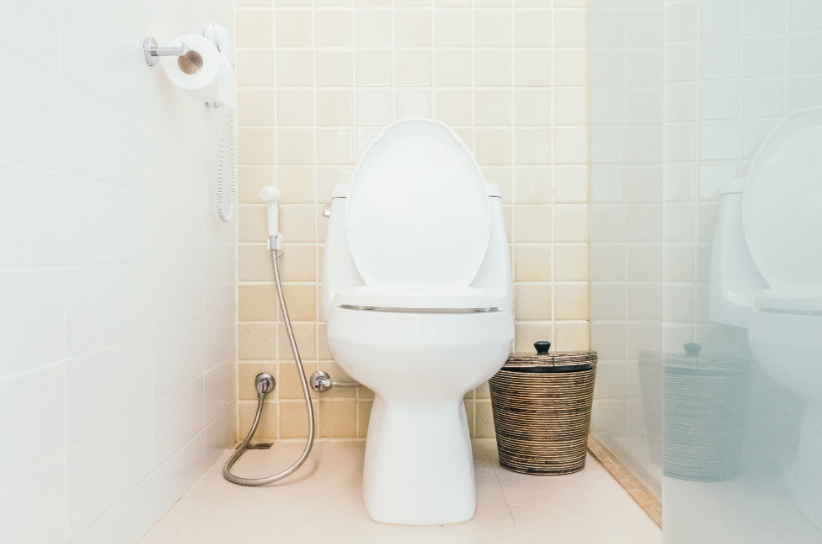
Squeaking typically occurs due to friction or looseness in key components. A squeaking toilet seat is often the result of worn hinges or loose fittings that move slightly when weight is applied. Over time, screws and bolts may become loose, hinges may wear down, and rubber or plastic pads may degrade. Temperature changes can also affect materials, causing expansion and contraction that lead to noise. Even dust or grime accumulation contributes to the friction that generates the squeak. Frequent use, mishandling, or ageing further exacerbates the problem. The result is vibrations when pressure is applied, creating the familiar squeaky sound.
Identifying the parts responsible for squeaking is crucial for effective repair. Hinges, screws, and bumpers are often the main contributors. By examining these components, one can determine whether a simple tightening, lubrication, or replacement is needed. Understanding the mechanics behind the noise ensures that solutions are targeted and effective, preventing recurring issues and prolonging the life of the toilet seat.
Resolving a Squeaking Toilet Seat
Fixing a squeaky toilet seat promptly is more than just an aesthetic concern. An unresolved squeak can disrupt the comfort and peace of any bathroom environment. In shared spaces, the noise may cause frustration or tension among users. On a practical level, ongoing squeaks can indicate early wear or loosening components, which may eventually lead to more serious damage or instability. Addressing the problem maintains hygiene, comfort, and peace of mind while demonstrating proper maintenance practices.
Regular Toilet Seat Maintenance
Consistent maintenance is key to preventing squeaks and extending the lifespan of a toilet seat. Routine inspections can identify loose screws, worn hinges, or deteriorating rubber pads before they create noticeable problems. Cleaning the seat and its components regularly with gentle soap and water removes dirt, grime, and moisture that could accelerate wear. Lubricating hinges with appropriate bathroom-safe lubricants, such as silicone spray or graphite powder, ensures smooth movement and prevents friction. Regular care not only reduces noise but also improves overall hygiene and safety.
Proper maintenance has long-term benefits. By keeping the toilet seat clean, dry, and functional, you reduce the risk of cracks, scratches, and material degradation. A well-maintained seat is more comfortable to use, safer for users, and less likely to require replacement. This proactive approach saves money and effort while promoting a cleaner, more pleasant bathroom environment.
Tightening Loose Screws and Bolts
The most common and straightforward solution is to check all screws and bolts. Over time, usage and vibrations can cause them to loosen. Using a standard screwdriver, gently tighten all fittings without over-tightening, which could crack the seat or bowl. Ensuring proper alignment of the seat and hinges during tightening can prevent additional stress on components.
Applying Lubrication
Friction between moving parts often causes squeaks. Silicone spray, graphite powder, or specialised bathroom-safe lubricants can reduce this friction. Apply sparingly to hinges and pivot points, then move the seat up and down several times to distribute the lubricant evenly. This smooths movement, eliminates squeaks, and prevents wear from continuous friction.
Replacing Worn Components
If tightening and lubrication do not resolve the problem, some parts may be worn beyond repair. Rubber bumpers, plastic washers, or entire hinge assemblies can be replaced relatively easily. Replacement parts are typically affordable and widely available, allowing for quick fixes without needing to purchase a completely new seat. Upgrading to higher-quality components may also provide enhanced durability and comfort.

Installing Padded Bumpers
For additional stability and comfort, padded bumpers or cushions can be installed. These reduce friction, prevent movement during use, and soften contact between the seat and bowl. Padded bumpers are particularly useful in high-traffic bathrooms where repeated use may accelerate wear on traditional components.
Proper Usage to Reduce Wear and Tear
Encouraging responsible use of the toilet seat can significantly reduce the likelihood of squeaks. Avoid standing on the seat or slamming it down, as this puts stress on hinges and fasteners. Teach family members or staff to handle the seat gently, which prolongs the lifespan of the hardware.
Regular Cleaning and Inspection
Routine cleaning removes dust, grime, and moisture that can accelerate wear. Use a soft cloth and mild soap, avoiding harsh chemicals that could damage plastic or metal components. Inspect hinges, screws, and rubber pads periodically to detect early signs of wear or looseness.
Timely Replacement of Worn Parts
Replacing components before they fail prevents squeaks and avoids more extensive repairs. Small investments in replacement hinges, washers, or bumpers can save time and money over the long term and maintain optimal functionality.
Regular Maintenance on Hygiene
Maintaining a toilet seat goes beyond noise reduction. Consistent cleaning and inspections minimise bacteria, mould, and mildew buildup. Removing moisture and grime prevents odours and ensures a safer, healthier bathroom environment. By maintaining hygiene and functionality simultaneously, regular maintenance promotes a cleaner, more comfortable experience for all users.
Conclusion
A squeaky toilet seat is a common but easily manageable issue. Understanding the causes, performing regular maintenance, and implementing practical solutions can eliminate noise, prolong the seat’s lifespan, and maintain bathroom hygiene. Tightening loose screws, applying appropriate lubrication, replacing worn parts, and installing padded bumpers are effective strategies. By adopting these proactive measures, households and commercial facilities can enjoy quieter, safer, and more comfortable bathrooms for years to come.