In several parts of the world, lightning strikes continue to be a serious threat to homes. Fortunately, there are steps a family can take to minimize its risk of damage and injury. The first step to staying safe is to understand lightning and how to protect yourself.
Grounding Systems Matter
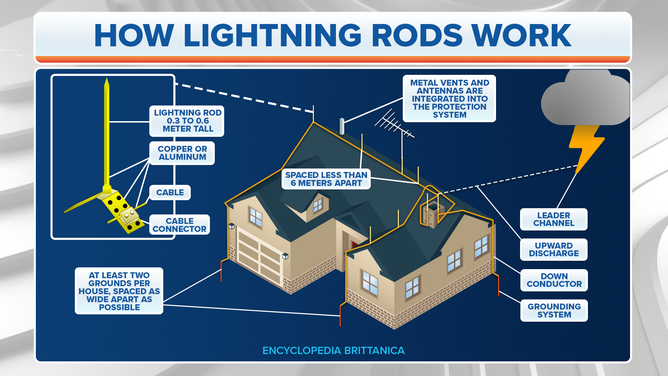
An appropriately grounded home sends surges through your home, not through your living space. Long metal rods that are buried deeply help channel the lightning charge harmlessly into the ground. These home lightning protection systems need to be installed and maintained by qualified professionals. Periodic inspections verify that all grounding elements are in good condition.
Install Surge Protectors
Thunderstorms pose a colossal risk for electronic components. Surge protectors are one of the easiest ways to protect your equipment from unexpected surges in voltage. These types of protective devices absorb excess electricity that can damage computers, televisions, and kitchen equipment and appliances. Use good, high-quality protectors and replace them when they wear out.
Unplug Devices During Storms
Unplugging electronics is one of the most straightforward ways to protect electronics from thunderstorms. Unplugging cuts off the only channel through which surges induced by lightning can reach critical devices. Tell everyone in your household to unplug computers, TVs, and chargers when storms approach.
Avoid Plumbing and Wired Devices
Plumbing can be especially dangerous during a lightning storm because water and metal pipes are excellent conductors of electricity. Avoid using water fixtures (taking a shower, washing dishes, etc.) when you can still hear thunder. Likewise, do not use landline phones or wired devices to minimize the possibility of electrocution.
Safe Shelter Practices
Seeking shelter indoors offers the best protection against a thunderstorm. To prevent a lightning storm from entering, keep all exterior doors and windows shut. Do not stay near the windows, concrete walls, or metal fittings. Since wet surfaces enhance the chance of conduction, stay in dry areas.
Protect Outdoor Structures
Garages, sheds, and fences are just as susceptible to lightning as houses are. Protect property by installing the same style of grounding rod or the same style bonding system on any detached building. Proper grounding of metal fences and gates prevents current from traveling along them and entering the home.
Maintain Trees and Landscaping
Lightning is more likely to hit isolated trees near houses, so living in close proximity to them makes your house more likely to catch fire. Cutting overhanging branches can mitigate fire or displacement hazards from roofs. Cut down dead, dying trees; when these trees fall after being hit, they are severely unsafe. Place new trees away from power lines and buildings
Create a Family Emergency Plan
It is helpful for any household to have an emergency plan for severe weather. Show children where safe spots to hide are in the house. Practice drills so that everyone knows how to respond calmly and swiftly when the storm approaches. Have a battery-powered weather radio and listen to local warnings and updates.
Insurance and Documentation
Homeowners’ insurance must cover lightning damage. Monitor the coverage, and take wide shots of larger electronics, appliances, and other structural characteristics. Keep any relevant paperwork, opening receipts, or inventory lists in a safe location. Having records readily available expedites the claims process after a storm.
Recognize Warning Signs
Darkening skies, increasingly gusty winds, and rumbling thunder are clear indicators of an incoming storm. From the moment you see it, go inside, leash the animals, and make sure everything happening outside ends before venturing outside. Knowledge is power, and by keeping families informed, it allows them to make smart decisions while the storm passes.
After the Storm
After the thunderstorm moves through, check the property for damage. Examine outlets and roofing for signs of scorching. Do not touch any downed power lines and let professionals take care of structural and electrical problems. Preventing future issues will keep everyone safe.
Conclusion
Lightning protection is something every family can manage. Using grounding systems, surge protectors, and safe shelters are examples of steps to protect people and property. Families can minimize the risks of thunderstorms by being prepared and keeping informed. Maintaining a home, staying alert, and preparing well can help in some of the harshest weather.