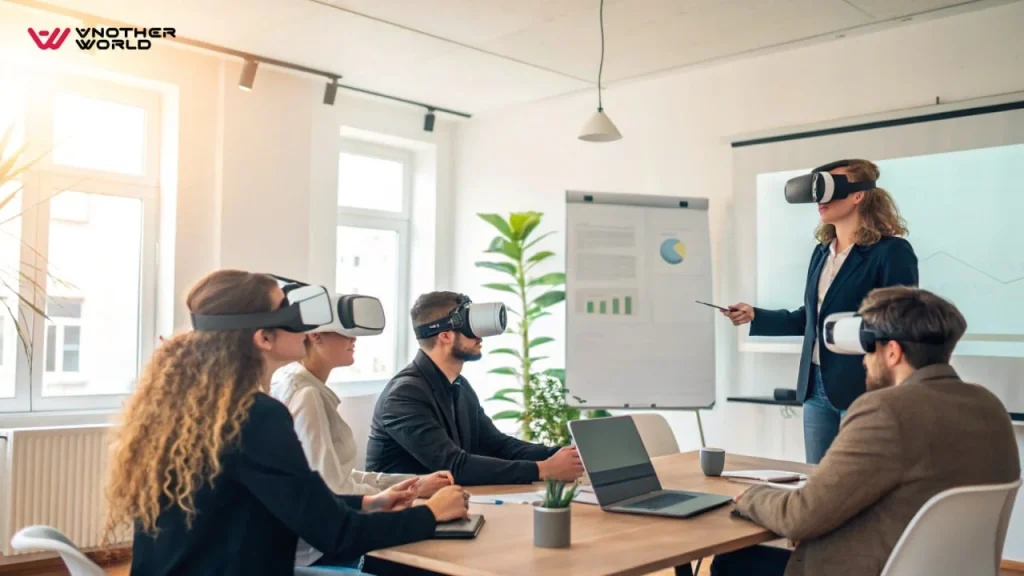
In the rapidly evolving digital age, reality business models are transforming at an unprecedented pace. Among these, virtual reality stands out as a powerful frontier with immense potential for economic growth and innovation. Whether you’re an aspiring entrepreneur or an established company looking to expand, understanding vr in business and how to leverage it effectively can position you at the forefront of the next big wave in technology.
This article explores why vr for business is more than just a buzzword — it’s a strategic investment — and outlines practical strategies for launching a profitable VR enterprise today.
Why Virtual Reality Matters in Business Today
The advent of virtual reality has shifted not only how consumers experience digital environments but also how companies operate internally and externally. Thebenefits of virtual reality in business are broad and transformative, making VR a smart and strategic investment across sectors.
Key Benefits of Virtual Reality in Business
- Immersive Customer EngagementVR enables deep customer interaction by creating compelling experiences that transcend traditional interfaces.
- Cost-effective Training and SimulationFrom industrial safety training to healthcare simulations, VR reduces training costs while increasing effectiveness.
- Enhanced CollaborationRemote teams can meet in shared virtual spaces, improving communication and reducing the need for physical travel.
- Product VisualizationBusinesses can showcase complex products or environments before physical production or construction begins.
These advantages help explain why virtual reality companies — both startups and legacy tech firms — are gaining traction and attracting strong investor interest.
Understanding the Current Landscape of VR
To launch a successful VR business, you must first understand current trends shaping the industry.
Major Trends in VR for Business
- Enterprise Adoption Across IndustriesFrom real estate and education to healthcare and automotive, businesses are integrating VR into their workflows.
- Growth of VR Hardware and PlatformsOngoing enhancements in VR headsets and development platforms reduce barriers to entry for businesses.
- Hybrid Experiences Post-PandemicAs remote and hybrid work models continue, VR serves as a bridge for effective collaboration and learning.
- Integration with AI and Data AnalyticsCombining VR with artificial intelligence opens new frontiers for adaptive training, automation, and customer insights.
By staying ahead of these trends, your VR business can remain relevant and competitive.
How to Launch a Profitable VR Business
Launching a VR venture requires clear strategy, market insight, and execution precision. Below are essential steps to build a strong foundation for your business.
1. Define Your Business Vision and Value Proposition
Before investing in any technology, answer these core questions:
- What problem are you solving with VR?
- Who is your target audience?
- Why would customers choose your solution over traditional alternatives?
Your value proposition should clearly articulate the measurable benefits clients will gain — for example, saved training costs or increased customer engagement.
2. Conduct a Thorough Market Analysis
A deep understanding of your potential market will help you avoid costly mistakes. Consider:
- Size and growth potential of your target market
- Competitive landscape (other virtual reality companies)
- Target customer demographics and behavior
- Pricing expectations and revenue models
This analysis will guide your product development and marketing strategy.
Strategic Partnerships and Technology Stack
Choosing the right technological infrastructure and partners can make or break your business.
Choosing the Right Technology
- VR Development PlatformsSelect platforms that support scalability and flexibility, such as Unity or Unreal Engine.
- Hardware CompatibilityEnsure your solutions work with popular VR headsets (e.g., Meta Quest, HTC Vive) to reach broader markets.
- Cloud and Backend ServicesReliable servers and data storage are essential for scalable enterprise solutions.
Building Strategic Partnerships
Partnerships with tech vendors, content creators, and service providers enhance your capabilities. For example, integrating specialized hardware or exclusive training modules can differentiate your offerings.
For a practical example of how VR solutions are being delivered to businesses, explore https://b2b.anvio.com, where tailored VR services and innovative implementations help companies unlock real-world value.
Crafting a Go-To-Market Strategy
Once your product is ready, you need a compelling go-to-market (GTM) plan.
Components of a Successful GTM Plan
- Customer Segmentation and TargetingIdentify the industries and user profiles that benefit most from your solution.
- Pricing StrategyConsider subscription models, licensing fees, or usage-based pricing depending on your product type.
- Sales and Distribution ChannelsDetermine whether direct sales, reseller partnerships, or online marketplaces suit your business model.
- Marketing and Awareness CampaignsUse content marketing, webinars, and industry events to showcase the power of vr in business applications.
Monetization Models for VR Businesses
Diversifying revenue streams can ensure long-term sustainability. Here are popular monetization models:
- Subscription-Based ServicesRecurring revenue from software access or support services.
- One-Time Licensing FeesIdeal for enterprise tools with long lifecycle value.
- Freemium with Paid UpgradesAttract users with a free version and convert them to premium features over time.
- Custom VR Development ServicesOffer bespoke VR solutions for clients with specialized needs.
Operational Considerations for Long-Term Growth
Scaling a VR business goes beyond initial launch. Long-term success depends on smart operational choices.
Focus on Talent and Skill Development
Hire VR developers, UX designers, and business strategists who understand:
- 3D content creation
- UI/UX in immersive environments
- Business development and client relations
Continuous training is essential as the technology evolves rapidly.
Prioritize Customer Feedback
Maintaining strong client relationships and listening to user feedback will help you:
- Improve product features
- Enhance customer satisfaction
- Develop future offerings
Common Challenges and How to Overcome Them
Like any emerging tech, VR businesses face specific challenges:
Technical Challenges
- High Development CostsUse modular development and open-source tools to reduce initial costs.
- Hardware LimitationsStay updated on new devices and optimize experiences for broader compatibility.
Market Challenges
- Education GapMany businesses may not yet understand VR’s potential — invest in educational content and demos.
- ROI Proof for ClientsProvide case studies and measurable outcomes that showcase the benefits of virtual reality in business.
Case Studies: Success in VR
Understanding how others have succeeded can inspire your own strategy.
Examples of VR Success in Business
- Virtual Training for HealthcareHospitals using VR for surgical simulations have reduced training durations and improved outcomes.
- Real Estate Virtual ToursCompanies offering immersive property tours have increased engagement and conversion rates.
- Remote Collaboration PlatformsEnterprise clients use VR spaces for meetings, reducing travel costs and improving team experience.
These examples demonstrate the tangible impact of integrating virtual reality into business processes.
Future Outlook: What’s Next for VR in Business?
The future of vr for business is bright, with trends pointing toward:
- Greater Accessibility and AdoptionMore affordable hardware and intuitive software will bring VR to mainstream business use.
- Cross-Platform IntegrationVR experiences will integrate seamlessly with AR and AI for hybrid immersive solutions.
- Industry-Specific ApplicationsTailored VR solutions for sectors like retail, logistics, and education will expand opportunities.
For businesses exploring how to integrate VR effectively and transform operations, platforms like https://b2b.anvio.com offer insights and services to harness the full potential of virtual environments.
Conclusion
Launching a profitable VR business requires a strategic blend of innovation, market understanding, and operational excellence. By recognizing the significance of vr in business, leveraging the benefits of virtual reality in business, and learning from leading virtual reality companies, you can build a venture that not only thrives financially but also drives meaningful impact across industries.
If you’re ready to launch or grow your VR enterprise, now is the moment to act. With the right strategy and execution, your VR business can shape the future of digital interaction and commerce.