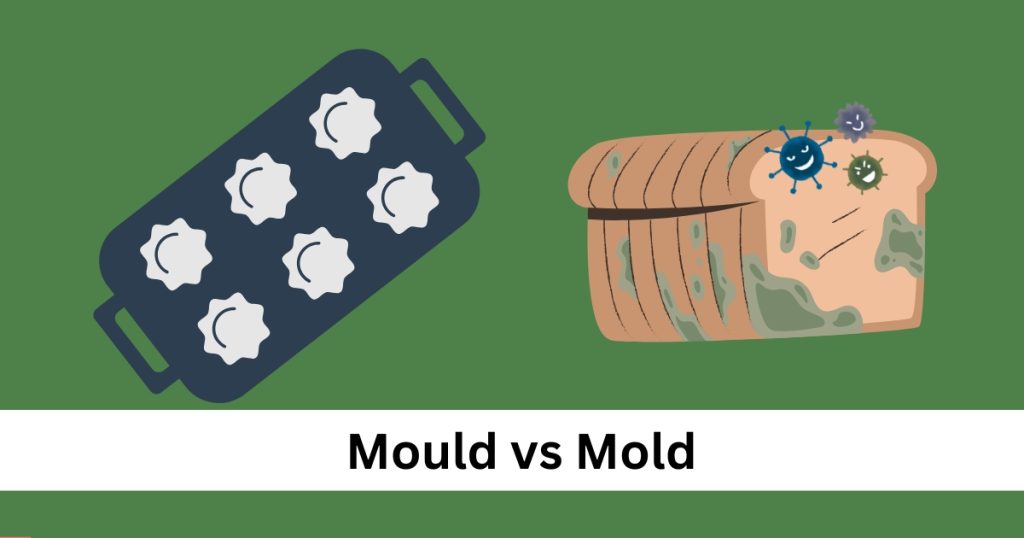
In the debate of mould vs mold, context is everything. “Mold” refers to the fuzzy fungi that thrive in damp environments, like those towels left too long in the dryer, while “mould” is often used in British English to describe a cast used to shape materials, like your favorite jello salad.
This subtle distinction highlights fascinating linguistic differences influenced by geography rather than meaning. In American English, “mold” predominates, whether discussing a health concern related to household fungi or venturing into culinary territory with molds for desserts.
Read More: Emphasise vs emphasize
Is it Mold or Mould?
This distinction goes beyond simple spelling and taps into cultural nuances. While American English embraces “mold,” the British prefer “mould,” reflecting a broader pattern of linguistic differences that shape the way we perceive our environments. This doesn’t just apply to fungi; it also touches upon how distinct cultures define style and character, influencing everything from architecture to fashion.
Origins and Usage
The term “mould” has fascinating roots that reach back to the Latin word *modulus*, which embodies the idea of a measure or standard. This connection to measurement resonates through the ages, as the word evolved in late Middle English to describe not only something that had become unsightly through decay but also the organic growths that can spring forth from such conditions. Mould became a symbol of both decay and life, embodying the duality of the natural world.
Singular vs. Plural Uses
In American English, “mold” is predominantly used, referring to a single type of fungus or the process of shaping materials. On the other hand, “mould,” favored in British English, embodies both the act of forming and its plural nature when discussing different kinds or varieties.
SIngular:
Mold/Mould
Plural:
Molds/Moulds
Meanings
Mold, as a noun, embodies the very essence of transformation. It suggests not just a biological entity thriving in dampness, but also a metaphor for shaping experiences and identities. Just as mold can create new forms and textures, so too can life’s challenges and adventures mold your character.
This aspect of mold reveals the beauty in adaptation and growth, highlighting the delicate balance between stagnation and evolution.
As a noun, it can mean either a fungal organic matter that grows in damp or humid conditions or a container that shapes a molten liquid as it solidifies.
For example:
- After forgetting the towels in the washer, they had begun to grow mold.
- I poured the liquid epoxy into the mold to form a new keychain.
As a verb, mold means to form or reshape something.
For example:
- His actions helped mold him into something new and exciting.
- Use your energy to help mold your understanding of a new topic.
It is also often used figuratively to refer to a recognizable form or convention.
For example:
- She didn’t fit the mold of the candidates that came before her and brought new ideas to the campaign.
- He used the mold of those who came before him to influence a new style of art.
Examples of Mould and Mold in a Sentence
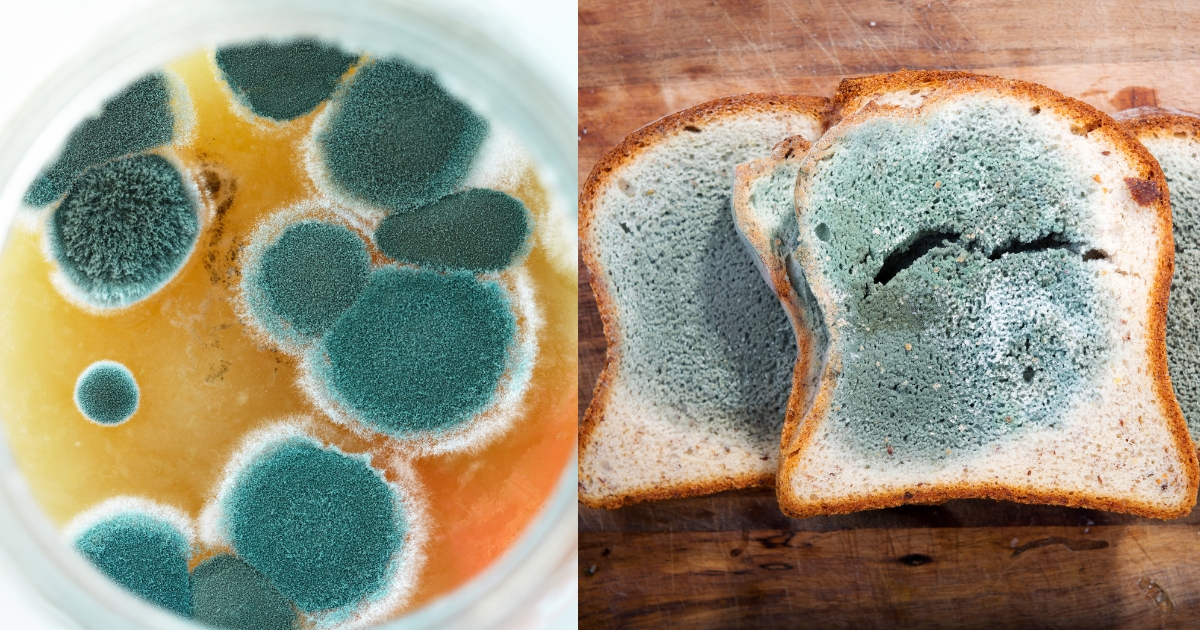
Mould and mold can weave through your writing in intriguing ways, adding depth and color to the narrative. Consider a sentence like, “The old library was a treasure trove, its hidden corners cloaked in a velvet shroud of green mould.” Here, mould conveys not just decay but also a sense of mystery and nostalgia, enhancing the atmosphere of the scene.
U.S. Publications
- Inside, the rain had spawned black, green, and yellow mold that crawled up the walls. [Atlantic]
- Obama has been more in the mold of George H.W. Bush and his secretary of state. [Daily Beast]
- If some of the insulation is intact, leave it in place unless it is moldy. [Boston Globe]
Outside the U.S.
- Without air conditioning in a highly humid climate, mould could form. [Montreal Gazette]
- And Pretty Ballerinas is still making shoes in the mould of the original pair created in 1918. [New Zealand Herald]
- There’s no bread, and even the mouldy cheese has been chipped away at. [Scotsman]
Conclusion
To wrap up, acknowledging the distinctions between mould vs mold can empower you to take control of your surroundings. This knowledge enables you to identify problem areas and implement effective solutions to mitigate risks.
Engaging in routine cleaning and monitoring can drastically reduce the likelihood of a mold issue escalating. Prioritize your health by staying informed and proactive in your approach. Commit to cultivating a cleaner, safer environment for yourself and those around you.