Defining Timelessness in Design
Émile-Jacques Ruhlmann stands as a beacon of timeless design, a figure whose work continues to inspire nearly a century after it was first created. In a world dominated by fleeting trends and disposable furniture, Ruhlmann’s pieces exemplify a philosophy that true design transcends time, combining elegance, craftsmanship, and thoughtful innovation. His creations remain relevant because they are guided by principles that appeal to both the eye and the mind, reflecting enduring values rather than temporary fads.https://ruhlmann.info/ work demonstrates that timeless design is not simply about aesthetics—it is about harmony, proportion, material integrity, and the seamless integration of form and function. Each of his creations embodies these qualities, making his furniture and interiors as compelling today as when they were first introduced.
Mastery of Materials
A hallmark of Ruhlmann’s timeless design is his masterful use of materials. He sourced exotic woods, lacquer, ivory, and polished metals, carefully selecting each for its natural beauty and compatibility with his vision.
By highlighting the unique qualities of each material—its color, grain, and texture—Ruhlmann elevated furniture from mere functionality to works of art. His thoughtful approach to materials ensures that his pieces continue to captivate, demonstrating that quality and authenticity never go out of style.
Craftsmanship and Precision
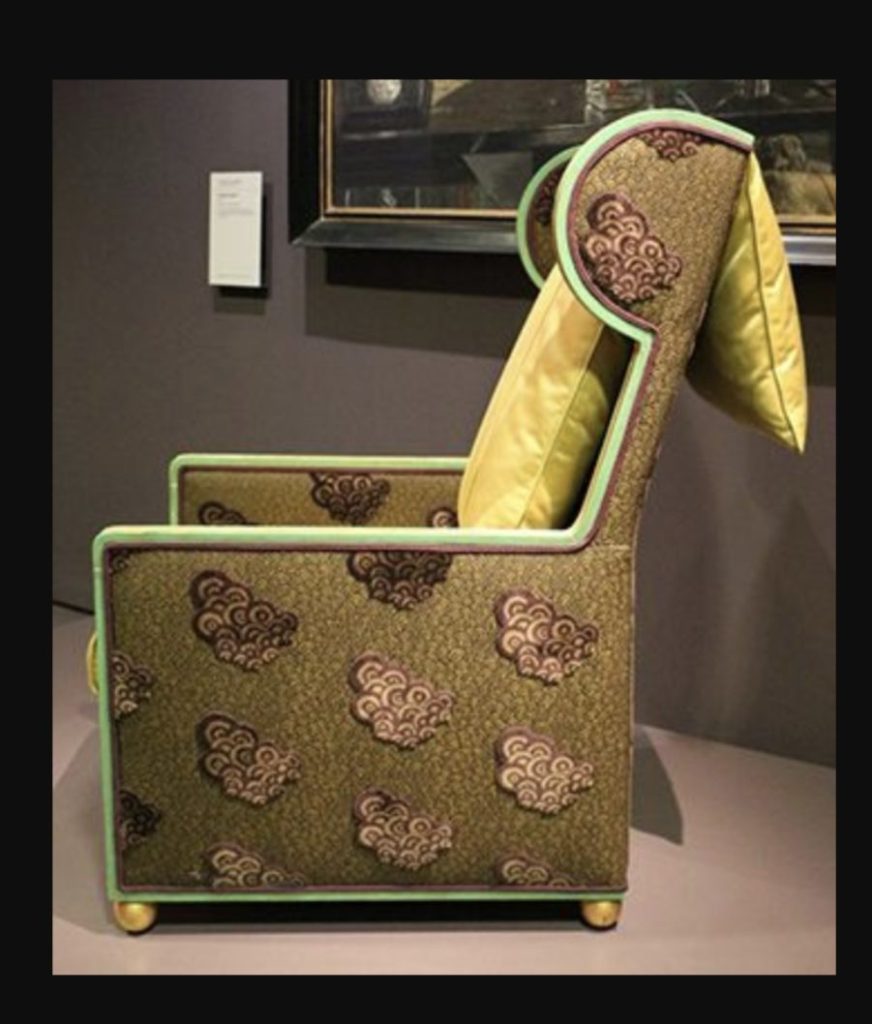
Ruhlmann’s commitment to craftsmanship is another reason his work remains timeless. Each piece required months of meticulous labor, with cabinetmakers, upholsterers, and metalworkers collaborating to achieve perfection. This attention to detail ensured that every creation was not only aesthetically pleasing but also durable and functional.
In today’s era of mass production, Ruhlmann’s emphasis on artisanal skill reminds us of the value of craftsmanship and careful execution. His work serves as a standard, showing that enduring design requires both vision and precision.
Elegance in Form and Function
Timeless design, according to Ruhlmann, balances elegance with practicality. His furniture, while luxurious and visually striking, was always functional and ergonomically considered. Chairs, tables, cabinets, and desks were designed to serve real-world purposes while maintaining perfect proportion and aesthetic harmony.
This principle of balancing beauty and utility is as important today as it was in Ruhlmann’s time. His work illustrates that designs endure when they fulfill practical needs without compromising on style.
Innovation with Restraint
Ruhlmann’s designs were innovative, but never at the expense of balance or refinement. He experimented with veneers, lacquer finishes, and intricate inlays, introducing new techniques while respecting the principles of proportion and elegance.
This measured innovation is a key feature of timeless design. By blending creative exploration with disciplined execution, Ruhlmann created works that feel modern and relevant even decades after their creation.
Cultural and Artistic Legacy
Ruhlmann’s work represents the pinnacle of Art Deco design and has become a symbol of artistic achievement in furniture and interiors. Museums, collectors, and designers continue to celebrate his creations for their sophistication, technical excellence, and cultural significance.
His legacy underscores that truly timeless design is both culturally meaningful and visually enduring. Ruhlmann’s pieces reflect the era in which they were made while continuing to inspire and influence contemporary design practices worldwide.
Lessons for Modern Design
Ruhlmann as a symbol of timeless design offers lessons that remain essential today:
- Commitment to quality: Materials and craftsmanship are the foundation of enduring design.
- Balance of form and function: Beauty should enhance usability, not hinder it.
- Measured innovation: Creativity thrives when it respects proportion and harmony.
- Enduring elegance: Designs that avoid excess remain relevant across generations.
- Cultural resonance: Objects gain significance when they reflect both artistry and their historical context.
These principles guide modern designers, helping them create work that is not only stylish but meaningful and lasting.
Conclusion
Émile-Jacques Ruhlmann embodies the essence of timeless design. Through his mastery of materials, commitment to craftsmanship, balance of form and function, and innovative spirit, he created furniture and interiors that continue to inspire and influence.
His work proves that true design endures when it combines artistry, practicality, and vision. In a rapidly changing world, Ruhlmann remains a symbol of elegance, sophistication, and creative excellence—a reminder that quality, thoughtful execution, and refined taste are never outdated.
By studying and appreciating Ruhlmann’s work, we gain insight into what makes design truly timeless, inspiring us to create, innovate, and uphold standards that will endure for generations to come.