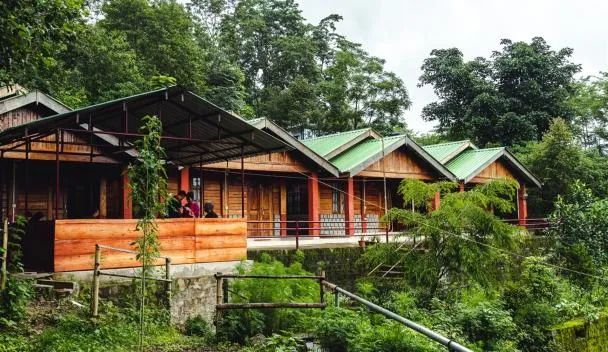
In Kohima, Nagaland’s capital, visitors can choose from lodging options that extend far beyond standard hotels. It is a hidden gem of the northeast, caught among waving hills and prosperous tribal heritage, which makes the visitors feel a true warmth that cannot be found elsewhere. Hotel options in the city focus on natural human interactions and cultural immersion. Choosing the right hotel stays becomes an experience in itself, transforming an ordinary hotel stay into something memorable. These stays offer genuine encounters with Naga hospitality, where locals warmly share their rich traditions with curious travelers.
1.Family-Run Properties Create Lasting Bonds
By staying in native homes, one can obtain incomparable knowledge of the Naga culture and daily life. Instead of addressing their visitors as business partners, hosts address them as part of their own family, sitting at the same table as them and telling stories. These personal experiences can be enhanced by true conversations on tribal traditions, celebrations, and local history. The atmosphere of laughing, home-cooked smells, and shared evening tea cannot be found in corporate environments. These quarters promote friendships that often extend beyond checkout times; most of the visitors keep in touch even after they are out of the warm embrace of Kohima.
2.Home-Cooked Meals Become Cultural Lessons
Lodging providers often serve Naga food prepared using traditional recipes, using locally prepared products. Dishes contain fermented bamboo shoots, smoked meat and special recipes which are not available elsewhere. When guests eat with hosts, it turns out to be a cultural interaction experience, as food narratives expose the social organization and food production systems. Tourists also become informed about the impact of place on the culinary practice as they are taught the importance of specific ingredients. During these common dinners, dialogues and conversations just pass over hot dishes, which creates mutual understanding that breaks down linguistic and cultural barriers.
3.Personalized Attention Addresses Individual Needs
Smaller businesses take great satisfaction in remembering their customers’ preferences and anticipating their needs before they are asked. Local guides, off-the-beaten-path sites, and insider information not found in traditional guidebooks are all easily arranged by hosts. They offer sincere advice based on personal preferences rather than commission-driven ideas, modify meal schedules, and take dietary limitations into account. Their pride in their native country and willingness to make sure tourists enjoy Kohima’s finest attractions are the reasons behind their attentiveness. Travellers feel appreciated as unique persons rather than just as room numbers when they receive such individualized attention, which promotes comfort and trust during visits.
4.Community Integration Opens Unexpected Doors
Family reunions, village festivals, or neighbourly events which are often not easily available to the common visitor are often the result of staying in private accommodation. Hosts assist elders, craftspeople and neighbours to have meaningful conversations when they are willing to share oral histories or display their skills. By taking part in common everyday events like visiting the market or hosting parties in the evening, mutual cultural sharing and learning are enhanced between the hosts and guests, in which all human beings benefit.
Conclusion
Significant human relationships have been prioritized over traditional provisions in the hotel scene in Kohima. Staying at smaller hotels and homestays helps personalise your trip, as every interaction you have is genuine, heartfelt and natural. These hotel stays are not only comfortable resting places but also a gateway to the Naga culture, creating a memory to build on the basis of genuine relationships that bring to the fore the ultimate aim of travel: understanding the shared humanity of all cultures.