Managing multiple debts at once can feel like trying to juggle too many things with not enough hands. Each balance has its own due date, interest rate and minimum payment, and before long the process becomes overwhelming. In moments of financial stress, some people consider short term solutions such as a title loan in Phoenix to keep up with immediate obligations. But when it comes to long term stability, debt consolidation can be a more strategic approach. It brings your debts together into one place and helps you regain clarity, control and confidence.
Understanding How Debt Consolidation Works
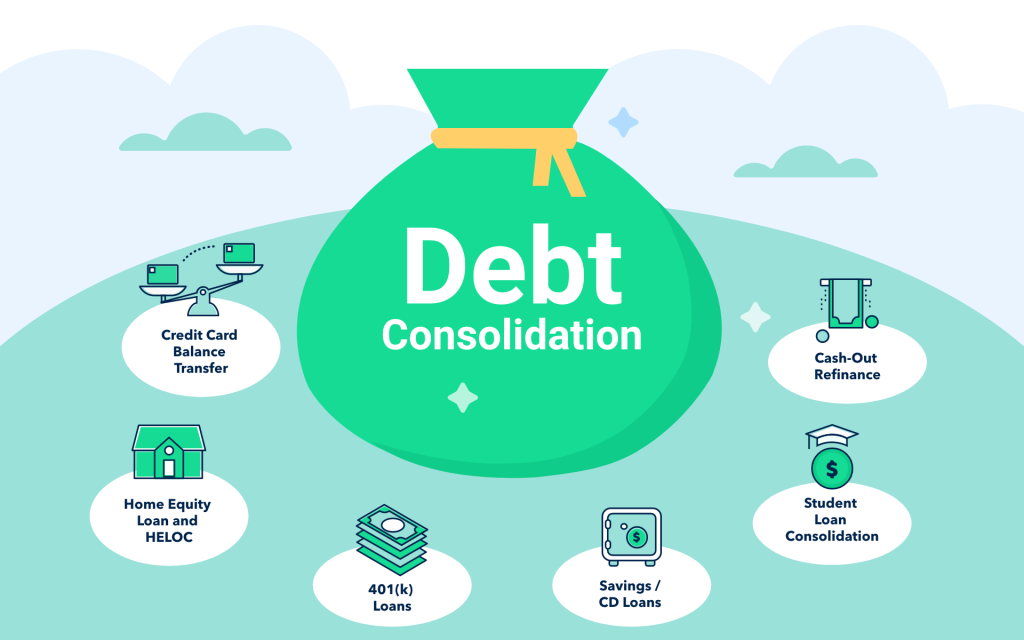
Debt consolidation combines several existing debts into a single new loan or credit account. Instead of managing multiple payments, you make one monthly payment that covers everything. This is especially helpful if your current debts have high interest rates or inconsistent due dates. With consolidation, you simplify repayment and potentially lower your total interest costs. While consolidation is not the right solution for everyone, it can be an effective strategy for people who want structure without feeling overwhelmed by multiple accounts.
Simplified Monthly Payments Reduce Stress
One of the biggest benefits of debt consolidation is the emotional relief it brings. Trying to remember every due date and minimum payment can create unnecessary stress. Consolidation eliminates the chaos by giving you one predictable monthly payment. This makes budgeting easier and reduces the chance of missing payments. With fewer details to track, you can focus more clearly on improving your financial situation. The simplicity alone can feel like a fresh start.
Lower Interest Rates Can Save You Money
Many people consolidate their debts to lower the overall interest they pay. Credit cards often have high interest rates, which makes it difficult to reduce balances even when making regular payments. A consolidation loan with a lower interest rate lets more of your payment go toward the principal rather than interest. This helps you pay off your debts faster and reduces the total amount you owe. Borrowers with good credit typically benefit the most, but even those with average credit may see improvement if their current rates are very high.
A Structured Plan for Becoming Debt Free
Debt consolidation offers structure that can help keep you accountable. With a clear repayment schedule, you know exactly when your loan will be paid off. This gives you a timeline to work toward and eliminates the uncertainty that comes with revolving credit accounts. A fixed monthly payment also means you are less likely to fall back into bad habits or add more debt to the pile. This structured approach supports long term financial health by reinforcing consistent repayment behavior.
Potential Improvements to Your Credit Score
Your credit score can benefit from debt consolidation in several ways. First, making regular, on time payments boosts your payment history, which is the largest factor in credit scoring models. Second, if consolidation reduces the balances on your credit cards, it lowers your credit utilization ratio. This can have a positive impact on your score over time. Additionally, having a single installment loan instead of multiple revolving balances may make your credit profile appear more balanced and responsible.
Better Budgeting and Financial Awareness
When you consolidate your debts, it becomes easier to understand your financial picture. Knowing exactly how much you owe, how much you pay each month and when your debt will be gone allows you to create a more accurate budget. This clarity helps you avoid overspending and encourages better money habits. If you need extra support with budgeting, trustworthy resources such as the Consumer Financial Protection Bureau’s financial tools can help you track your progress and stay organized.
Reduced Risk of Missed Payments
Missing payments can lead to late fees, higher interest rates and negative marks on your credit report. With multiple debts, the risk of forgetting a payment increases. Consolidation helps reduce this risk by combining everything into one manageable payment. This creates a more reliable repayment structure and protects you from the consequences of overlooked due dates.
Access to Professional Guidance When Needed
Some people benefit from working with credit counselors or financial professionals to determine whether consolidation is the right choice. These professionals can help you understand interest rates, repayment terms and long-term financial impact. Organizations such as the National Foundation for Credit Counseling offer reliable, unbiased information that can help you make informed decisions. Professional guidance ensures you choose a consolidation method that supports your goals rather than complicating your situation.
Avoiding the Pitfalls of Consolidation
Debt consolidation can be helpful, but it is not a cure all. If your spending habits remain unchanged, you may accumulate new debt while paying off the consolidated loan. It is important to build healthy habits, create a realistic budget and commit to avoiding additional borrowing. Consolidation works best when combined with responsible financial behavior and long term planning.
A Clearer Path to Financial Freedom
Debt consolidation gives you more than just a single payment. It offers clarity, predictability and relief from the confusion of managing multiple obligations. When used wisely, it helps you save money, stay organized and regain confidence in your financial future. Whether you are overwhelmed by credit cards, personal loans or a mix of debts, consolidation can bring simplicity and stability to your journey toward financial freedom.