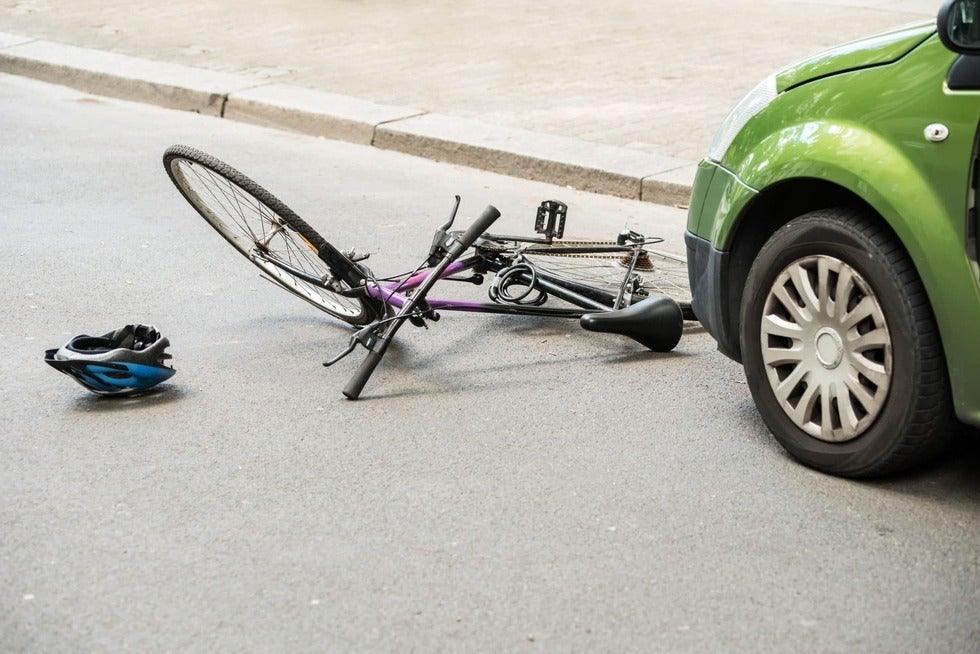
Bicycle accidents can cause serious harm—broken bones, traumatic brain injuries, spinal damage, and lasting pain that affects work and daily life. Yet many cyclists are surprised when the first insurance offer is low, rushed, or dismissive, even when a driver clearly caused the crash by failing to yield, drifting into a bike lane, or driving distracted. Unfortunately, lowball offers are very common in bicycle injury claims.
Insurance companies often treat bike crashes differently than car crashes. They may assume the cyclist is easier to blame, less sympathetic, and less likely to push back, so they downplay injuries or argue the rider “should have avoided it.” A Chicago bicycle accident lawyer can help challenge those tactics, document the true impact of the injuries, and fight for the full compensation the claim deserves.
Insurance Companies Assume Cyclists Are Easier To Blame
One of the biggest reasons bicycle claims get lowballed is bias. Insurance adjusters often start from the assumption that cyclists share fault—whether or not the evidence supports that. They may claim the cyclist was riding too fast, weaving, not visible enough, or positioned “wrong” on the road.
This bias matters because comparative fault reduces payouts. If an insurer convinces you that you were partially responsible, they’ll reduce the claim value immediately. Even minor fault allegations can dramatically lower a settlement, especially in cases involving serious injuries and long recovery periods.
Serious Bicycle Injuries Are Often Downplayed As “Not That Bad”
Cyclists frequently suffer injuries that are painful and disabling but not always obvious in early medical visits. Soft tissue injuries, concussions without loss of consciousness, nerve pain, and joint damage can be dismissed as minor because they aren’t immediately visible on an X-ray. That allows insurers to suggest you’re “fine” or recovering quickly.
Even fractures can be minimized if the cyclist doesn’t require surgery right away. Adjusters may treat the injury like a short-term inconvenience instead of a long-term disruption. The reality is that bicycle injuries often require physical therapy, follow-up imaging, and extended recovery even when the injury seems simple at first.
The “Helmet Argument” And Other Visibility Tactics
Insurers often shift attention away from the driver and toward what the cyclist was wearing. They may ask if you had a helmet, lights, reflectors, or bright clothing—even when the crash happened in daylight or the driver clearly violated traffic laws. This tactic is designed to make the cyclist seem responsible for not “protecting themselves.”
Visibility arguments also work as emotional leverage. Insurers try to suggest that the cyclist “took a risk” simply by riding. They may argue that biking is dangerous and the cyclist accepted the danger. That framing is misleading—but it’s common in lowball negotiations.
Limited Documentation Creates A Weak Claim File
Bicycle crashes happen fast, and many cyclists don’t gather enough evidence at the scene. Without strong documentation, insurers have room to dispute everything: how the crash happened, what speed the driver was going, whether the cyclist had the right-of-way, and even whether the cyclist was truly injured.
Missing evidence makes lowball offers easier. If there’s no video, no witness contact info, unclear photos, or no report details, the insurer may treat the case like a “he said, she said” dispute. Even strong injuries can be undervalued when fault is unclear on paper.
Insurers Try To Settle Before The Full Injury Is Known
Lowball offers often come early—sometimes within days. That timing is not accidental. Insurance companies know that injured cyclists may be scared about medical bills and time off work. An early settlement may sound tempting when you’re overwhelmed and still in pain.
But many bicycle injuries worsen over time. Concussion symptoms may develop days later. Shoulder injuries may reveal torn tendons only after swelling goes down. Back injuries may become chronic. When insurers push quick settlements, it’s often because they want to close the claim before your long-term damages become clear.
Medical Gaps And “Inconsistent Treatment” Hurt Claim Value
Insurance adjusters watch medical timelines closely. If you delay care, skip therapy, miss follow-ups, or stop treatment early, the insurer may argue your injuries weren’t serious. Even if the delay happened because you couldn’t get an appointment or didn’t have transportation, insurers may still use it against you.
Consistency matters because it proves the injury is real and ongoing. Regular treatment, documented pain reports, and specialist follow-ups create a clear record that the crash caused long-term harm. Without that medical documentation, insurers often feel comfortable making a low offer.
The “Cyclists Don’t Have Big Claims” Assumption
Some insurers simply assume bicycle claims should be cheap. They may treat the crash as less damaging because the cyclist wasn’t in a car—even though that’s exactly why the injuries are often worse. A cyclist has almost no physical protection, so even a low-speed impact can cause severe trauma.
This mindset leads to settlement offers that don’t reflect real costs, especially for long-term therapy, orthopedic injuries, lost earning ability, and pain-related limitations. Many cyclists don’t realize how much their case could be worth until they compare the offer to the actual impact on their life.
Why Legal Support Often Changes The Tone Of Negotiations
When a cyclist tries to negotiate alone, insurers often stick to low offers because they assume the case won’t go to litigation. But when evidence is organized properly and the claim is presented with clear damages, insurers are forced to treat it more seriously.
Legal support can also prevent mistakes that lower value—such as giving recorded statements, accepting early offers, or missing key medical documentation. With the right approach, the case can be positioned in a way that reflects the real injury impact rather than the insurer’s preferred narrative.
Lowball Offers Are A Strategy—Not A Reflection Of Your Injury
Bicycle accident claims get lowballed for predictable reasons: bias against cyclists, fault-shifting tactics, early settlement pressure, missing documentation, and insurance strategies designed to minimize payouts. Even serious injuries can be undervalued when insurers control the timeline and shape the narrative.
The best way to protect your case is to treat it like a long-term recovery plan, not a quick paperwork process. Get medical care early, document everything, preserve evidence, and don’t accept an offer until the full impact of the injury is understood. A low offer doesn’t mean your case is weak—it often means the insurer is hoping you’ll settle before you realize what your claim is truly worth.